What is documented digitally today stays available to future generations and to visitors everywhere.
Heritage and Archaeological Sites in the Digital World: Documenting and Sharing
Syria has a rich heritage of old cities, markets, citadels, museums and traditional crafts. Digital tools help document this heritage and present it to visitors, researchers and Syrians abroad, provided the work is done with the relevant authorities and within the rules.
Tourism and hospitality 5 min read
By Nour Aldein Tleti. Updated .
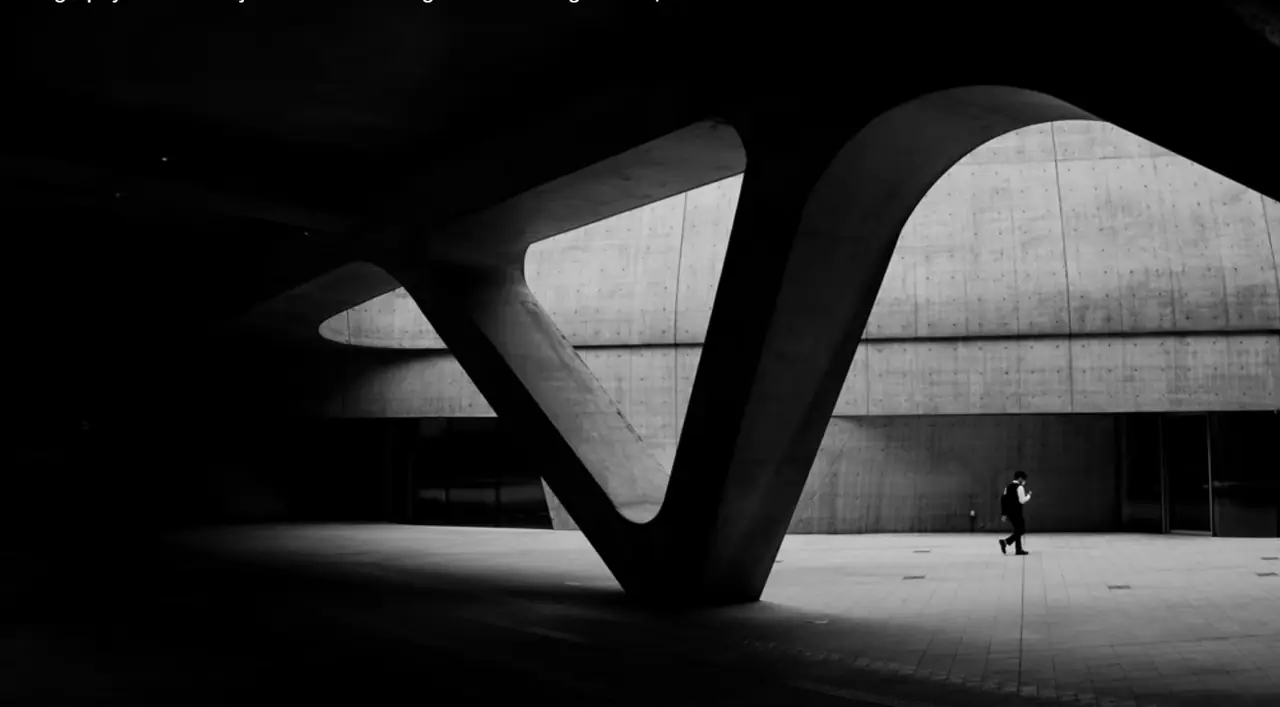
How can heritage and archaeological sites be presented digitally?
Through two complementary tracks: accurate digital documentation through photography, 3D scanning and organised archiving, and public presentation through virtual tours, audio guides and multilingual content. Any work at archaeological sites needs coordination with, and approval from, the relevant authorities. Tourism businesses and local initiatives can then use this content to introduce the place responsibly.
Digital documentation
- High-resolution photography
- Systematic photos of buildings, ornaments and objects, with naming and metadata recording place and date.
- 3D scanning
- Multi-image photography or laser scanning produces models that help with study, restoration and display.
- Archiving old documents and photos
- Scanning family photos, maps and old documents preserves the memory of a place.
- An organised database
- Photos alone aren’t enough. Indexing, description and secure storage with backups are what make an archive useful.
Presenting to visitors and the public
- Virtual tours
- Panoramic images or models that let people walk around the place from any device.
- Audio guides and QR codes
- Information at each point of the site in Arabic and English, opened from the visitor’s phone.
- Maps and trails
- Suggested walking routes through the old city or market, with points of interest.
- Educational content
- Simplified stories for students and children, and in-depth content for researchers.
- Digital exhibitions
- Selected photos and objects shown online with their stories, so schools and universities can reach them easily.
The role of the private sector and the community
- Hotels and restaurants in heritage areas
- Content about the place and its history enriches the guest experience and sets the business apart.
- Craftspeople
- An online store or page for each craft introduces the trade and opens a market beyond the city.
- The diaspora
- Many Syrians abroad are attached to the memory of their city and value content that takes them back virtually before they actually visit.
- Universities and volunteers
- Architecture, history and photography students can take part in documentation under clear academic supervision.
Steps for a digital heritage project
- 01
Set the scope and goal
Documentation, promotion or education? Each goal has different tools and requirements.
- 02
Coordinate with the relevant authorities
Get the necessary approvals before any photography or scanning at archaeological sites.
- 03
Choose technical standards
File formats, image resolution and indexing method, so the archive stays usable for years.
- 04
Produce and check the content
Review historical information with specialists before publishing it.
- 05
Publish and preserve
A public display platform, and an archive protected by backups in more than one place.
- 06
Plan for continuity
Decide who will update the content and maintain the archive after the project ends. A project that stops loses its value.
Digital heritage tools and their uses
| Tool | Use | What to consider |
|---|---|---|
| Systematic photography | Documentation and promotion | Permission, naming and metadata |
| 3D scanning | Study, restoration and display | Technical expertise and file size |
| Virtual tour | Introducing the place to visitors and the diaspora | Loading speed on weak internet |
| QR audio guide | On-site explanation | Accurate information and multiple languages |
| Indexed digital archive | Preserving memory for future generations | File formats and backups |
Read also
Frequently asked questions
Can anyone photograph an archaeological site and publish the photos?
Ordinary visitor photography is one thing. Systematic documentation, commercial shoots or drone photography are another and may need approvals. Check with the relevant authority and the local regulations in force before you start.
What is the point of a virtual tour if the visitor will come in person?
It helps them plan and encourages them to come, and it serves those who can’t attend, such as students abroad or older people.
How do we preserve a digital archive in the long term?
Use common open formats, keep copies in more than one place, check file integrity regularly, and index everything so files can be found.
Can tourism businesses use this content?
Yes, within the agreed usage rights and with credit to the source. They can also produce their own content about the area responsibly.
Are there experiences we can learn from?
Many museums and cultural institutions around the world have run heritage digitisation projects, and their documentation and indexing methods can be adapted to local resources.
Keep exploring
- Digital Transformation for Hotels, Restaurants and Tourism in SyriaGuests decide on their phone long before they reach your door.
- Digital government in Syria: where public institutions should startCitizens judge a public service by one thing: did it save them a trip?
- Digital transformation in education: a practical guide for Syrian schools, universities and training centresStart with student records, fees and parent messages. Tablets can wait.
- Video production, editing and photography in SyriaPeople scroll past information. They stop for a story.
Need help with your organisation’s digital transformation?
Message ONE DIGITAL’s Syria branch on WhatsApp +963 936 503 899 or visit us in Hama. We’ll review your situation and suggest a practical first step.
WhatsApp Nour Aldein TletiCall +971 58 996 9118WhatsApp Syria branch +963 936 503 899
Discuss your project with ONE DIGITAL

