Ready-made saves time, custom gives a better fit, and the right decision starts from your processes, not your preferences.
Build a Custom System or Buy a Ready-Made One? A Practical Comparison Before You Decide
Many managers hesitate between buying a ready-made system and developing one tailored to their company. Each option has advantages and costs that don’t show in the first quote. This article helps you compare calmly before committing to a sum or a long contract.
Strategy and roadmap 6 min read
By Nour Aldein Tleti. Updated .
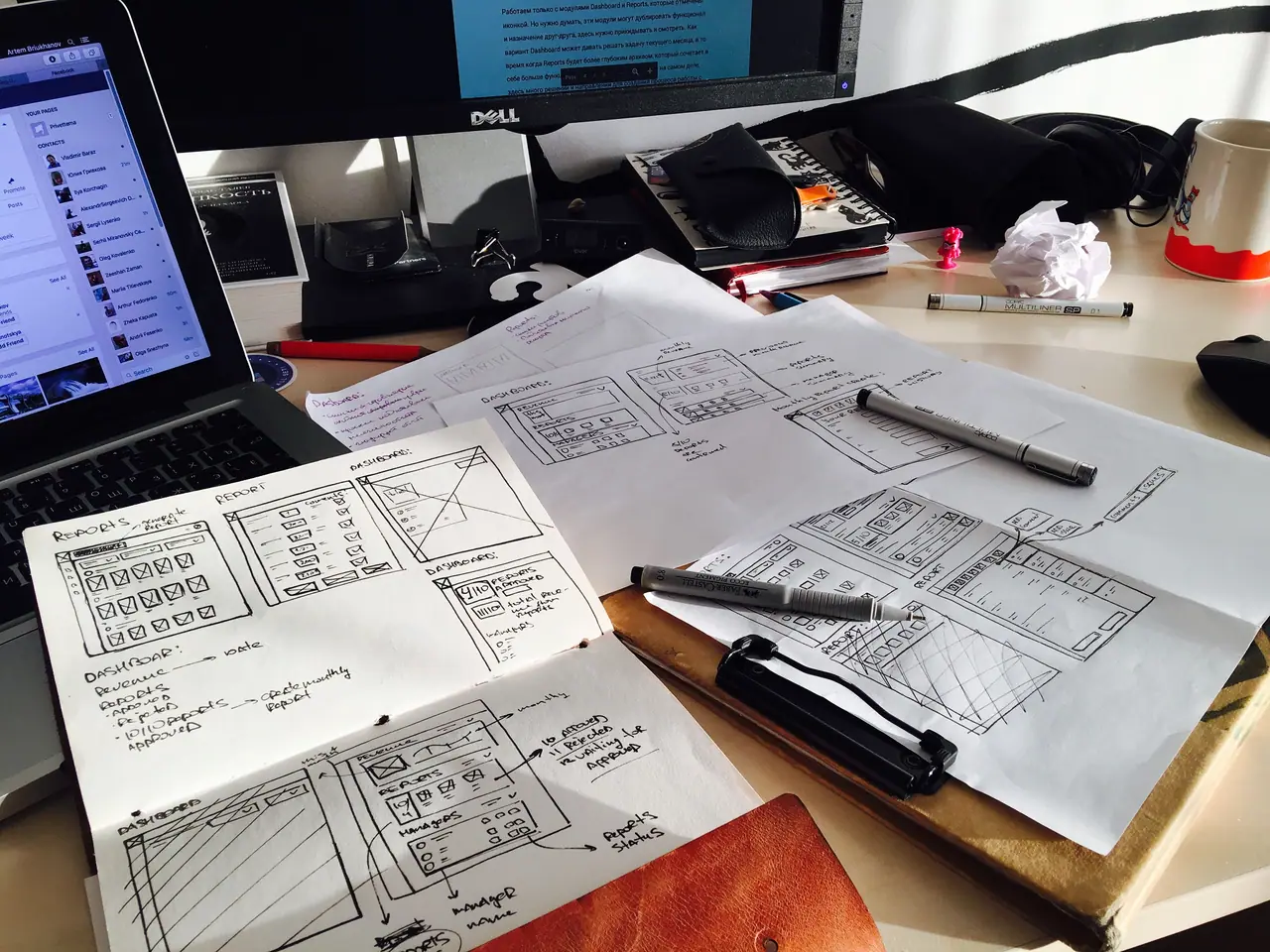
Is it better to build a custom system or buy a ready-made one?
Ready-made is usually better when your processes are close to common practice, such as accounting, stock and point of sale, because it is faster and less risky. Custom development suits you when you have a distinctive process that gives you a competitive edge and no suitable solution exists for it. In many cases a hybrid works best: a ready-made system for the basics, with custom add-ons or integrations.
When a ready-made system suits you
- Standard processes
- Accounting, stock and sales are similar across companies, and ready-made systems usually cover them well.
- Limited time
- A ready-made system can be up and running sooner because most functions already exist and have been tested by other users.
- A small or non-existent tech team
- The vendor handles updates and fixes for you, so you can focus on your business.
- A wish to reduce risk
- You can try the system before buying, see who uses it and ask them about their experience.
When custom development suits you
- A process that sets you apart
- A way of working specific to you that gives you an edge over competitors and isn’t available in ready-made systems.
- Special local requirements
- Such as working in more than one currency in a particular way, working offline, or WhatsApp integration that available systems don’t offer.
- Wanting to own the code
- You want full control over the system and the freedom to develop it without being tied to a single vendor.
- Restricted access to services
- When suitable ready-made solutions aren’t available from Syria or can’t be paid for reliably.
Costs that don’t show in the first quote
- With a ready-made system
- Customisation, extra modules, renewing subscriptions and training new users.
- With custom development
- Analysis, testing, maintenance and updates, and dependence on the developer who knows the code.
- In both cases
- Migrating and cleaning old data, and staff time during trials and training.
- The exchange-rate effect
- If payments or subscriptions are in a foreign currency, their real cost to you may change over time.
How to make the decision
- 01
Map your processes first
You can’t compare options before you know exactly what you need from the system.
- 02
Separate the standard from the distinctive
Identify which processes resemble what other companies do and which are truly specific to you.
- 03
Try at least two ready-made systems
Test them on a real process from your business, including weak-connectivity conditions.
- 04
Request an estimate for custom development
Ask for a written analysis, phases and maintenance costs, not just a total figure.
- 05
Compare the total cost
Add up several years of costs for each option, including support, training and data migration.
A short comparison
| Criterion | Ready-made system | Custom development |
|---|---|---|
| Speed to launch | Usually faster | Slower, because it is built from scratch |
| Fit with your processes | You partly adapt to it | Designed around your processes |
| Upfront cost | Usually lower | Usually higher |
| Maintenance and updates | The vendor’s job | Yours, or the contracted developer’s |
| Main risks | The vendor changing its policies or prices | Late delivery or dependence on one developer |
Read also
Frequently asked questions
Is custom development always more expensive?
Usually at the start, yes, but over the long term the picture may differ depending on the subscriptions and customisations in a ready-made system. Compare the total cost over several years.
What is a hybrid solution?
Using a ready-made system for accounting and stock, for example, while developing a custom app, portal or integration for the process that sets you apart.
How do I protect myself with custom development?
Ask for clear documentation, ownership of the source code, a testing phase before handover and a written maintenance agreement.
Can we start with ready-made and build custom parts later?
Yes, and it is a wise choice for many, because using a ready-made system clarifies what you actually need before you build anything custom.
Who can help me compare the two options?
ONE DIGITAL’s team can review your processes and help you compare both options on total cost and fit before you decide.
Keep exploring
- Digital transformation strategy and roadmap for Syrian organisationsA strategy says why and where. A roadmap says what comes first, what comes next and when.
- Software company for business systems in SyriaNot every problem needs custom software. The ones that do need it built properly.
- ERP system and business management software in SyriaIf your manager needs three people and two days to know this month’s profit, you need an ERP.
- Digital transformation cost and return on investment in SyriaThe real question isn’t what a system costs, but what staying as you are costs.
Need help with your organisation’s digital transformation?
Message ONE DIGITAL’s Syria branch on WhatsApp +963 936 503 899 or visit us in Hama. We’ll review your situation and suggest a practical first step.

WhatsApp Nour Aldein TletiCall +971 58 996 9118WhatsApp Syria branch +963 936 503 899
Discuss your project with ONE DIGITAL

