A client who can see their stock in your warehouse at any moment doesn’t need to come and count it themselves.
Third-party warehouses and digital transformation: managing clients’ goods transparently
Some traders and importers rely on third-party warehouses instead of owning one. An operator handling goods for several clients needs more accuracy than an ordinary warehouse, because every mistake touches a client’s trust.
Logistics and transport 6 min read
By Nour Aldein Tleti. Updated .
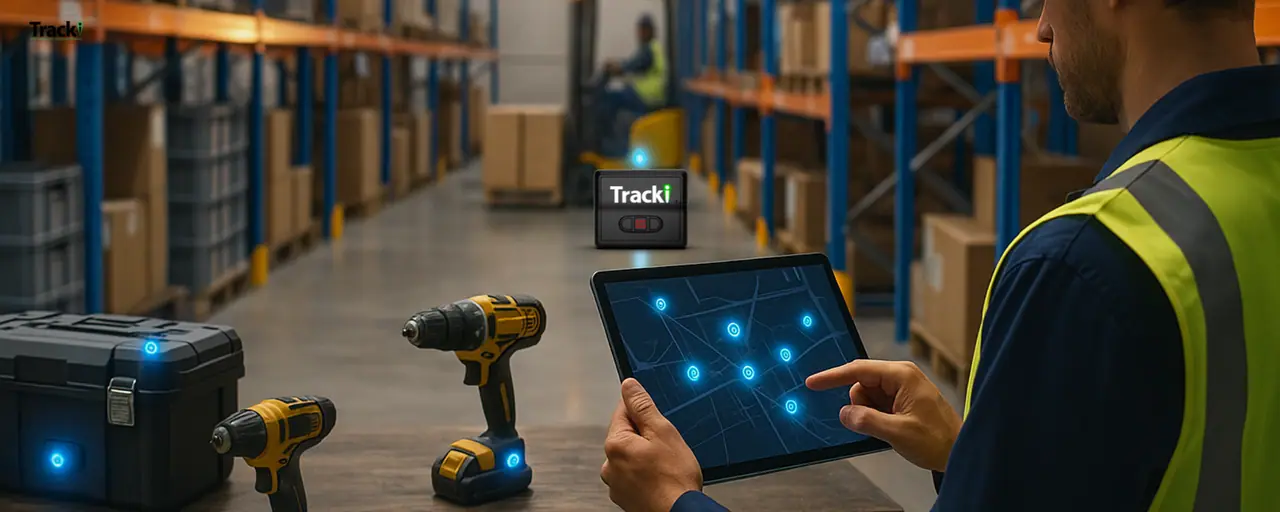
How does a third-party warehouse benefit from digital transformation?
Through a system that keeps each client’s stock separate, records every receipt, put-away and dispatch by barcode and location inside the warehouse, and gives each client a portal or report showing their balance and movements. It also calculates storage and handling fees automatically from actual movements. The result is fewer errors, fewer disputes and the ability to serve more clients with the same team.
What makes a third-party warehouse different?
- Many owners
- The goods on the shelves aren’t yours, and every movement must be assigned precisely to the right client.
- Different instructions for each client
- One client wants the oldest stock out first, another tracks expiry dates, a third asks for special packaging.
- Billing by service
- Fees are calculated by space, number of pallets, number of movements or a mix of these, and all of them need accurate records.
- Liability for damage and shortages
- Any gap between the records and the shelves turns into a financial claim or a lost client.
Parts of a digital warehouse
- Numbered storage locations
- Every aisle, shelf and bin has a code, so staff know where to put goods and where to find them without relying on memory.
- Barcode receiving
- Items are scanned on arrival and checked against the client’s advance notice, with discrepancies and damage recorded in photos.
- Dispatch orders
- The client sends a dispatch request through the portal or a form, and staff see a picking list sorted by location.
- Cycle counting
- Counting parts of the warehouse regularly instead of closing the whole site for a single annual stocktake.
- Client portal and reports
- Clients see their balance and movements and download reports themselves, so calls drop and trust grows.
Local operating conditions
- Power and scanners
- Choose scanners with batteries that last a full working day, and provide backup power for the server and communications equipment.
- Prices in two currencies
- If storage contracts are in one currency and payment in another, the system must show the agreed exchange rate on every invoice.
- Clients in other governorates or abroad
- Some goods owners run their business from another city or from outside the country, and an online portal lets them follow up without visiting.
Steps to digitise a third-party warehouse
- 01
Number locations and classify items
Code aisles, shelves and bins, and create an item file for each client with standard barcodes.
- 02
Agree exchange rules with each client
How they send receiving notices and dispatch requests, and which reports they receive and when.
- 03
Start with one client
Run the system on one client’s goods until procedures settle, then move the others over one by one.
- 04
Switch on cycle counting
Count a small section every week and resolve discrepancies straight away.
- 05
Automate billing
Have monthly invoices generated from recorded movements instead of calculated by hand.
Storage pricing models and the data they need
| Pricing model | How it is calculated | Data required |
|---|---|---|
| By space | A fixed fee for the reserved space | Space allocated to each client and contract duration |
| By pallets or units | Number of pallets stored during the period | An accurate daily balance for each client |
| By movement | A fee for each receipt or dispatch | A complete, dated record of every movement |
| Mixed | A base fee plus additional charges | All of the above plus the contract terms |
Read also
Frequently asked questions
Does a small warehouse need a warehouse management system?
If you store goods for more than one client, yes, even a simple one. With a manual spreadsheet it is hard to keep balances separate and prove movements in a dispute.
How do we handle goods without barcodes?
You can print internal barcode labels on receipt and link them to the item and the client. They cost little compared with dispatch errors.
Can a client see other clients’ goods?
No. Portal permissions must be limited to each client’s own account, with a log of every login and view.
How do we prove the condition of goods on arrival?
Photograph the goods and packaging on receipt, attach the photos to the receiving record in the system, and send a copy to the client the same day.
Does ONE DIGITAL help digitise warehouses?
Yes. Its team can set up the inventory system, storage locations, client portal and billing to suit the way your warehouse works.
Keep exploring
- Digital transformation for logistics and transport in SyriaEvery trip, parcel and litre of fuel leaves data behind. Many fleets still lose it in notebooks and WhatsApp chats.
- Inventory management system for companies in SyriaStock is cash sitting on shelves. If you can’t see it clearly, you can’t manage your cash.
- Automate inventory and manage multiple warehousesStock errors are rarely theft. They’re usually a movement nobody recorded.
- Digital Transformation for Trade and Import Companies in SyriaTrading margins are made or lost in the gaps between shipment, warehouse, price list and collection.
Need help with your organisation’s digital transformation?
Message ONE DIGITAL’s Syria branch on WhatsApp +963 936 503 899 or visit us in Hama. We’ll review your situation and suggest a practical first step.
WhatsApp Nour Aldein TletiCall +971 58 996 9118WhatsApp Syria branch +963 936 503 899
Discuss your project with ONE DIGITAL

