What is not recorded at the gate turns up missing at the stocktake.
Tracking Materials and Equipment on Construction Sites: From the Gate to the Final Account
Rebar, cement, blocks and building services materials make up a large share of any project’s cost, and their prices move with the exchange rate. Every lost bag or surplus bar comes straight off the profit, and an accurate record is the first line of defence.
Construction and reconstruction 6 min read
By Nour Aldein Tleti. Updated .
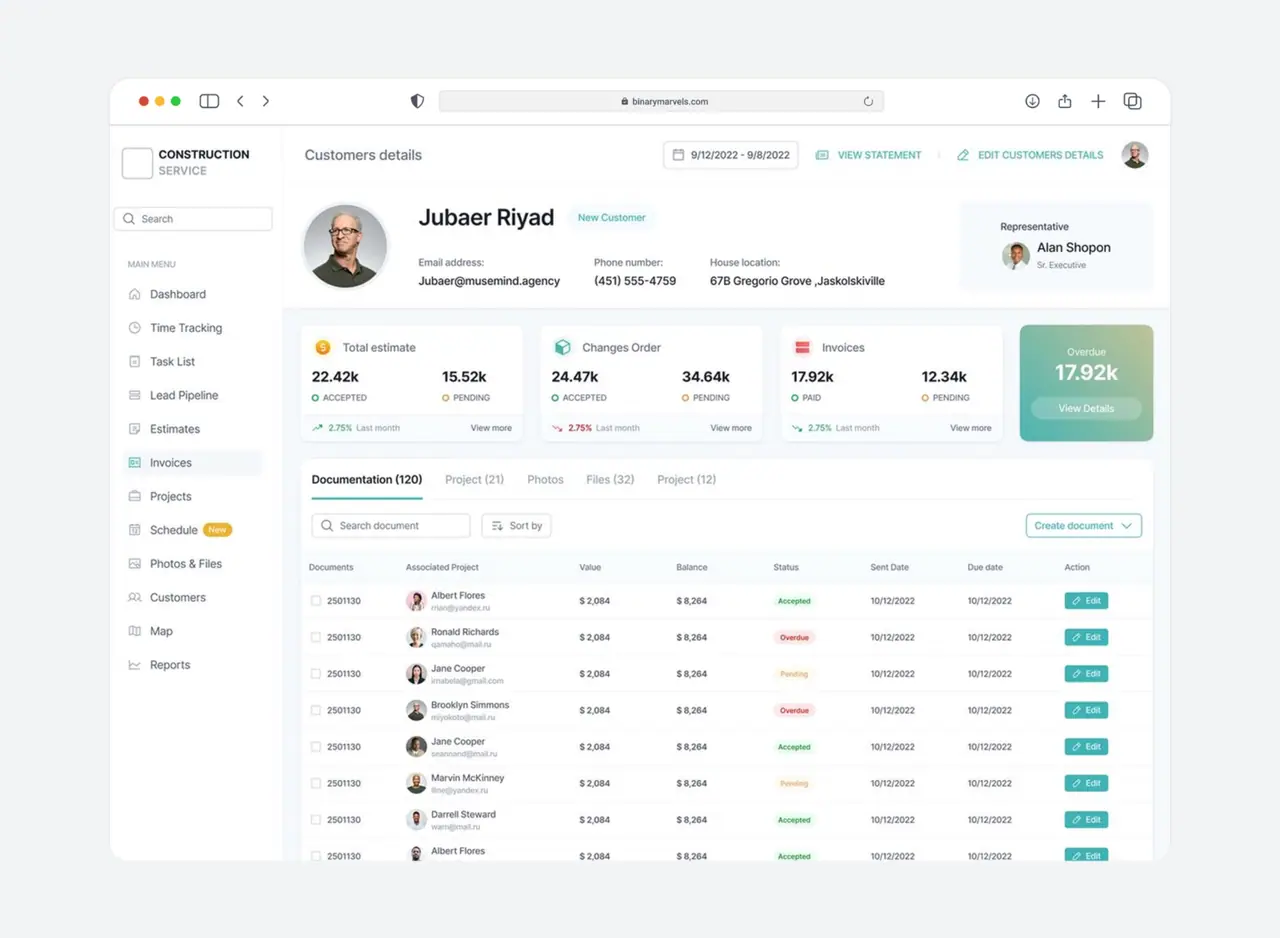
How can a contracting company track materials and equipment on its sites digitally?
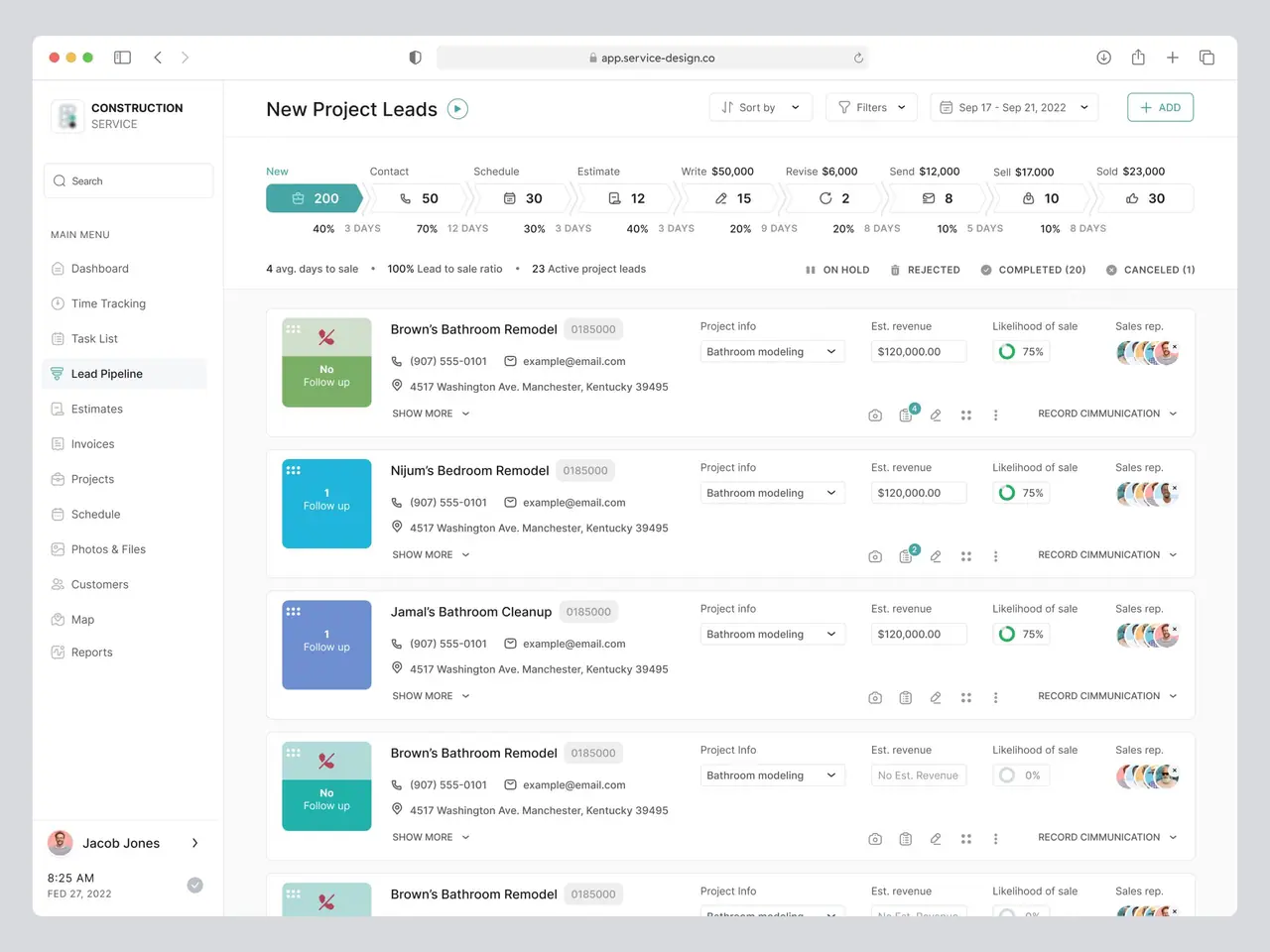
Digital tracking starts at the site gate: every delivery is recorded with its quantity, photo and supplier the moment it arrives, and every transfer between sites or issue to the works is recorded too. Each machine has a record showing its location, running hours, fuel and maintenance. This way discrepancies, waste and theft show up early, instead of being discovered at the stocktake or in the final account.
Material movements that must be recorded
- Receiving
- Material, quantity, supplier, delivery note number and a photo of the shipment, matched against the purchase order.
- Storage on site
- Where it is stored and in what condition. Cement exposed to damp and rebar exposed to rust are waste waiting to happen.
- Issue to the works
- The quantity issued to each item or subcontractor, to compare with the theoretical quantity required.
- Transfers between sites
- What left one site and arrived at another, signed by both sides, so materials are not lost between projects.
- Surplus and returns
- What remains at the end of an item or project, and whether it was returned to the supplier, moved or sold.
The equipment and machinery log
- Current location
- Where each machine is today and who is responsible for it, so equipment does not sit idle on one site while another needs it.
- Running hours and fuel
- Diesel for machines and generators is a costly item, and recording consumption against working hours reveals waste and tampering.
- Maintenance
- Routine maintenance dates, faults and spare parts, to reduce sudden breakdowns.
- Hired equipment
- Dates received and returned, and actual working days, so you do not pay rent on an idle machine.
Sensitive points on Syrian sites
- Material value as the exchange rate moves
- Rising material prices make every loss more expensive, and turn timely purchasing and good storage into important financial decisions.
- Sites far apart
- When projects are spread across different areas, a shared record becomes the only way to know what each site holds.
- Limited availability of some materials
- Tracking remaining quantities and delivery times prevents work stopping while waiting for a material that could have been ordered earlier.
Steps to put tracking in place
- 01
Standardise material names
A single list with fixed codes and units, so the same item is not recorded under different names.
- 02
Appoint someone on each site
A storekeeper or site controller who records every movement as it happens.
- 03
Require a delivery note photo
No receipt without a photo of the delivery note and the shipment, uploaded with the entry.
- 04
Compare theoretical and actual
The quantity issued to each item against the quantity calculated from the drawings, every week.
- 05
Count stock regularly
A surprise stocktake from time to time reveals the gap between the record and reality before it grows.
Tools by company size
| Company size | Suitable tool | Note |
|---|---|---|
| One or two sites | A shared spreadsheet and a phone receiving form with a photo | Enough if the storekeeper records everything immediately |
| Several sites | An inventory system that supports multiple stores and transfers between them | Needs standard material codes across all sites |
| A large machinery fleet | An equipment log with location and fuel tracking | Worth linking to daily running-hours reports |
Read also
Construction and reconstruction
Frequently asked questions
Do we need barcodes for materials?
Not at the start. Standard names and codes with delivery note photos are enough for most companies. Barcodes help when items and movements multiply and there are several stores.
How do we detect material waste on site?
By comparing the quantity issued to each item with the quantity calculated from the drawings. A large, recurring difference deserves investigation: is it an execution error, poor storage or leakage?
Who records on site if there is no storekeeper?
The site engineer or a controller formally assigned the task, using a very short phone form. What matters is that it is one known person.
Can machinery be tracked with GPS?
Yes, there are tracking devices for vehicles and machines that report their location and running hours. They help with large fleets, but make sure local maintenance and network coverage are available at your sites.
How do we handle materials the owner supplies directly?
Record them at receipt exactly as you record your own materials, noting that they come from the owner. This protects you at the final account if a shortage or quantity difference appears.
Keep exploring
- Digital transformation for construction in SyriaOn a building site, the cost of not knowing shows up in the final account.
- Inventory management system for companies in SyriaStock is cash sitting on shelves. If you can’t see it clearly, you can’t manage your cash.
- Automate inventory and manage multiple warehousesStock errors are rarely theft. They’re usually a movement nobody recorded.
- Stock Doesn’t Match the Count: Causes and FixesEvery stock difference is money you can’t account for.
Need help with your organisation’s digital transformation?
Message ONE DIGITAL’s Syria branch on WhatsApp +963 936 503 899 or visit us in Hama. We’ll review your situation and suggest a practical first step.
WhatsApp Nour Aldein TletiCall +971 58 996 9118WhatsApp Syria branch +963 936 503 899
Discuss your project with ONE DIGITAL

