A loan officer in the field needs a system that works where there is no coverage.
Digital transformation for microfinance institutions
Microfinance institutions serve many clients with small amounts, often in rural areas or underserved neighbourhoods. That makes digitisation essential for controlling cost and risk, but it calls for solutions that suit fieldwork.
Banks and financial institutions 5 min read
By Nour Aldein Tleti. Updated .
How do microfinance institutions benefit from digital transformation?
They benefit by speeding up the loan cycle from application to disbursement, tracking repayments accurately, and seeing portfolio quality daily rather than at month end. The loan officer carries an app on a phone or tablet to collect client data and photos; it works offline and syncs later. Repayment reminders go out automatically, so teams can focus on cases that need a visit or a conversation.
Where does digitisation make the difference?
- Loan applications in the field
- A phone form that captures the client’s details, business, photos and location instead of paper forms.
- Assessment and approval
- The application goes straight to the credit committee with all attachments, and decisions and their reasons are recorded.
- Disbursement and repayment
- A clear repayment schedule for each client, and every payment recorded on receipt with a receipt.
- Reminders and follow-up
- Reminder messages before each instalment is due, and a daily list of late payers for each officer.
- Portfolio monitoring
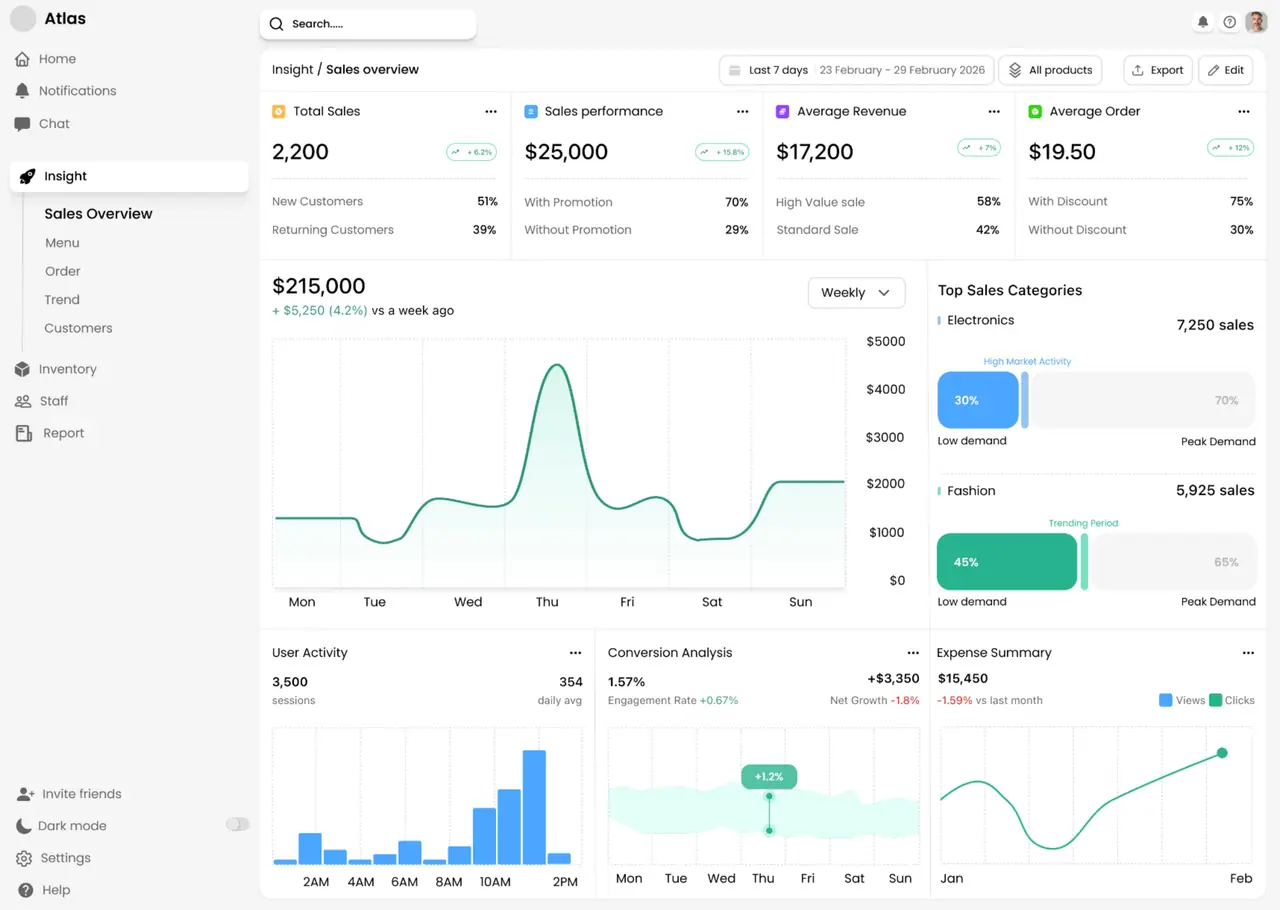
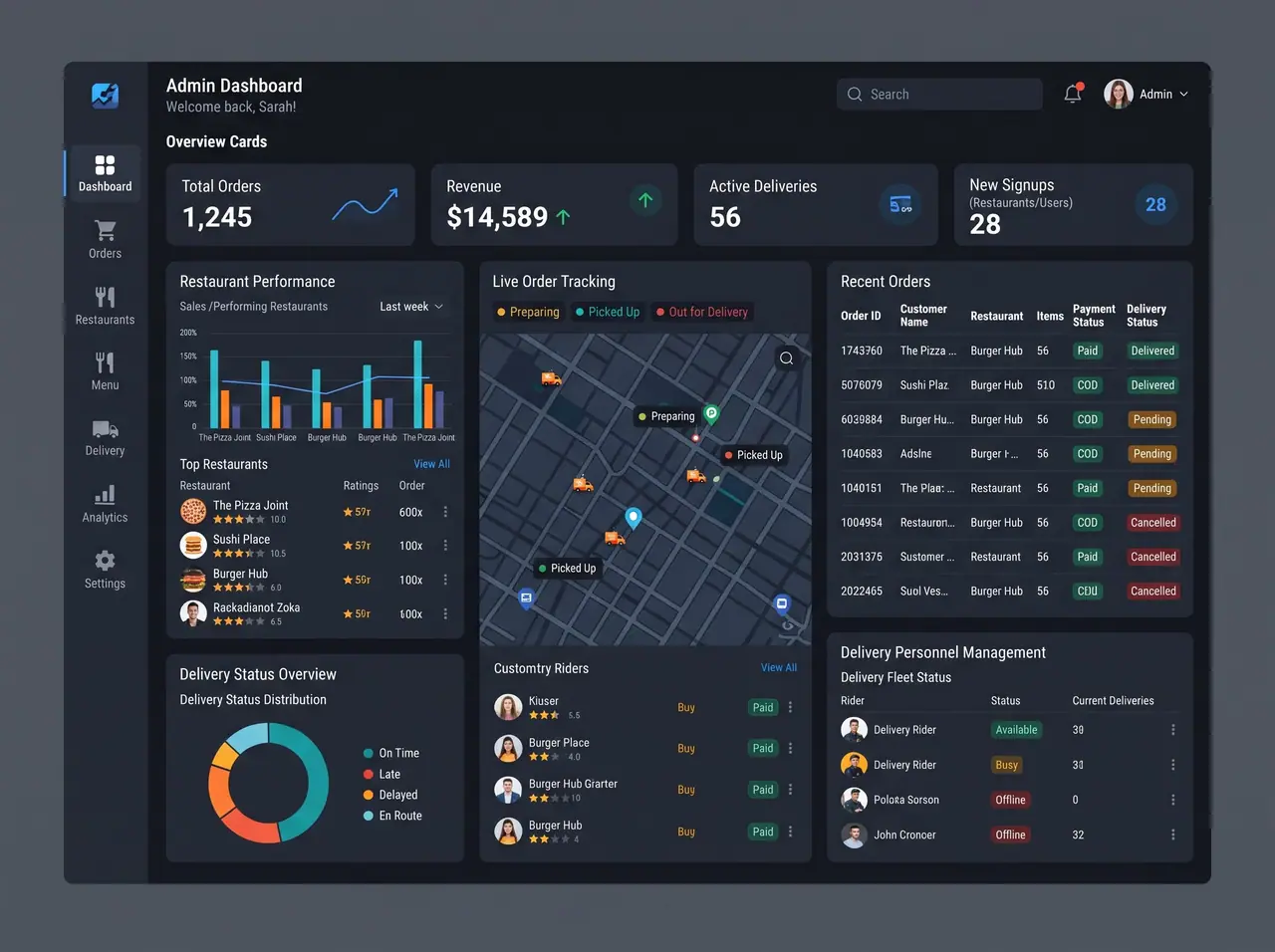
- A dashboard showing outstanding and overdue loans by branch, officer and type of activity.
Field challenges and solutions
- Weak coverage
- An app that stores data on the device and syncs it when a connection is available, so no application is lost.
- Power cuts
- Devices with good batteries and spare chargers, and a system that does not lose data when the device shuts down.
- Exchange rate swings
- The system must state the loan currency clearly and document any rescheduling or adjustment accurately.
- Uneven digital skills
- A very simple interface for staff and clients, with short hands-on training and follow-up in the first weeks.
What does management gain?
- Early warning
- Rising arrears in a branch or sector show up within days, not after the month closes.
- Fairer assessment
- Written criteria applied in the system reduce variation between officers’ decisions.
- Ready-made reports
- Donor and regulatory reports are drawn from the same data without manual compilation.
- Liquidity planning
- Knowing expected instalments and loan demand for the coming weeks helps plan cash in each branch.
Steps to start for a microfinance institution
- 01
Unify the central record
Bring client and loan data into one system instead of scattered Excel files.
- 02
Digitise application collection
Launch a simple field app that works offline, starting with one branch.
- 03
Automate reminders
Link the repayment schedule to reminder messages sent automatically before each due date.
- 04
Build portfolio reports
Define the indicators management needs and provide them in a dashboard updated daily.
- 05
Expand to branches
Roll out the pilot after addressing the first branch’s feedback and training the teams.
- 06
Review indicators regularly
A monthly meeting reviews portfolio quality and reasons for arrears, and adjusts criteria and procedures based on the data.
The loan cycle before and after digitisation
| Stage | On paper | Digitally |
|---|---|---|
| Collecting the application | A form carried back to the office | A phone form that arrives instantly |
| Approval | A file waiting for the committee meeting | Electronic review with all attachments |
| Recording repayment | Ledgers and paper receipts | Instant recording and a numbered receipt |
| Tracking arrears | Lists prepared by hand at month end | A daily alert to each officer about late cases |
| Donor reports | Manual compilation from several files | Direct export from the system |
Read also
Banks and financial institutions
Frequently asked questions
Does a small institution need a full banking system?
No. A system for managing loans, clients and repayments, with a field app and reports, is usually enough, and it can expand with growth.
Can instalments be collected electronically?
It depends on the payment methods available and permitted locally. Even with cash collection, each payment can be recorded instantly on the phone with a digital receipt.
How do we protect client data on staff devices?
Encrypt data on the device, lock the app with a PIN, and make it possible to wipe the data remotely if the device is lost.
Can the data be used for credit assessment?
Yes. As repayment and activity history builds up, more accurate assessment criteria can be developed, provided human review and clear rules remain part of the decision.
How do we handle donors and their reports?
When data is in one system, preparing donor and regulatory reports becomes faster and more accurate than compiling them by hand from several files.
Keep exploring
- Digital transformation for banks and financial institutions in SyriaIn finance, every digital feature faces one test: would I trust it with my money?
- Digital transformation for NGOs and charities in SyriaDonors want evidence, beneficiaries deserve dignity, and your team wants fewer spreadsheets.
- Digital transformation in Syrian agricultureFarm decisions are only as good as the records behind them.
- Business intelligence and management dashboards in SyriaA manager who waits for reports manages last month’s business.
Need help with your organisation’s digital transformation?
Message ONE DIGITAL’s Syria branch on WhatsApp +963 936 503 899 or visit us in Hama. We’ll review your situation and suggest a practical first step.
WhatsApp Nour Aldein TletiCall +971 58 996 9118WhatsApp Syria branch +963 936 503 899
Discuss your project with ONE DIGITAL

