The branch will not disappear, but its role will change.
Digital transformation for banks: from branch to app, step by step
Digital transformation in a bank does not mean closing branches and launching an app. It means redistributing services across channels, so routine transactions move to the phone and the branch is free for cases that need a person.
Banks and financial institutions 6 min read
By Nour Aldein Tleti. Updated .
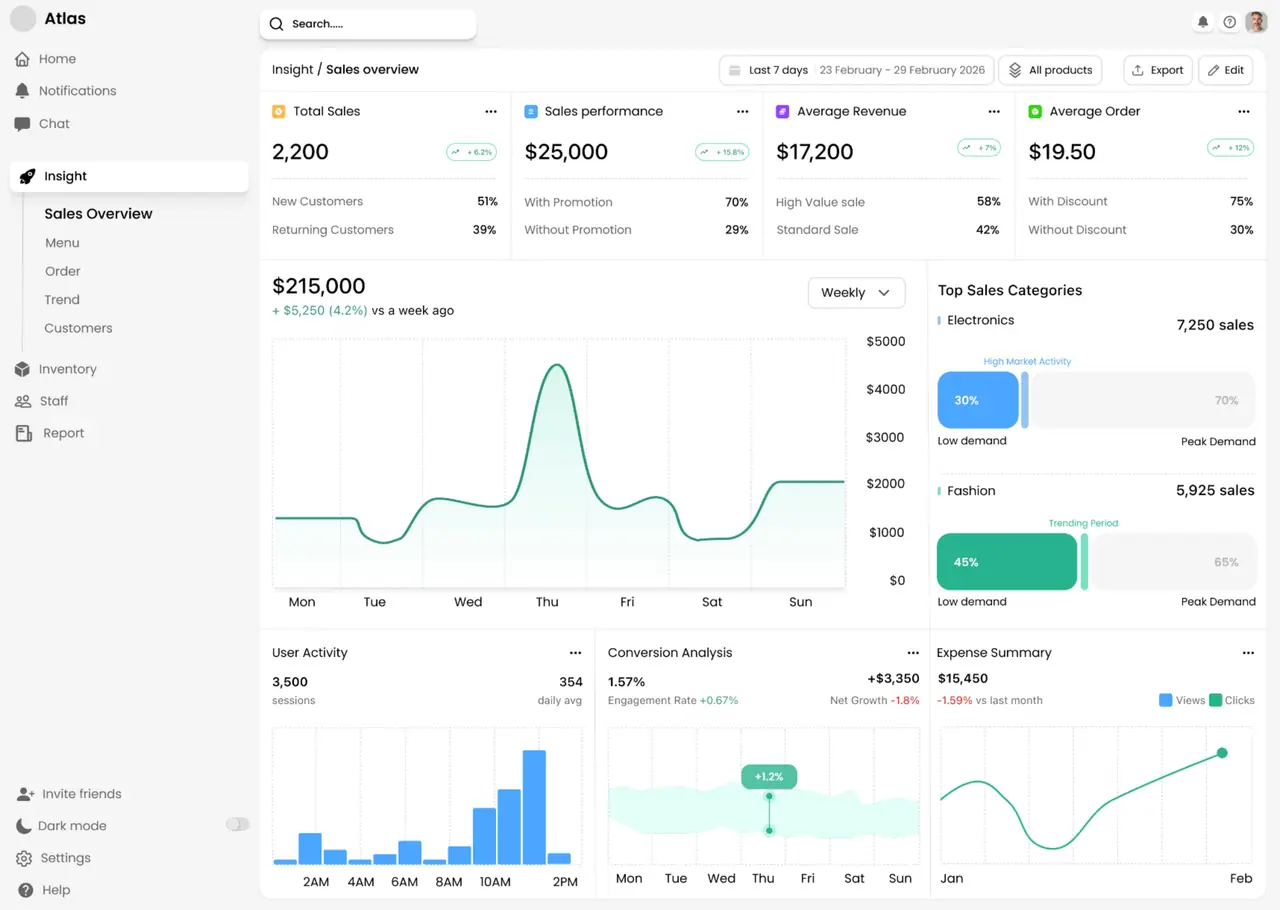
How does a bank move from relying on branches to digital services?
A bank moves gradually. It first shifts routine transactions, such as balance enquiries, statements and simple requests, to a secure app or website. It then adds deeper services such as account opening and transfers, within what regulatory instructions allow. Behind this, the bank needs an integration layer with its core system, strong security controls, and staff training for the branch’s new role as a centre for advice and help.
What moves to digital channels first?
- Enquiries
- Balance, transactions and statements, which are the most frequent reasons for visits and calls.
- Simple requests
- Ordering a chequebook or card, or updating contact details, with a tracking number for each request.
- Alerts
- An instant notification for every account movement, which is also an important tool for spotting fraud early.
- Appointment booking
- Customers book a branch appointment in advance, so queues shrink and their file is prepared before they arrive.
The branch’s new role
- A centre for complex cases
- Financing, business accounts and problems that need a face-to-face discussion.
- Digital help
- A staff member helps customers activate and use the app, especially older customers and those new to digital services.
- In-person verification
- Steps that require attendance under the instructions are done quickly because the rest of the request was prepared digitally.
- Sales and advice
- Staff are free to understand customers’ needs instead of entering data by hand.
Conditions to consider in Syria
- Dealing in two currencies
- Digital channels must show the currency clearly in every transaction and handle exchange rate changes accurately.
- Connectivity and power
- The app must be light and handle lost connections with clear messages, without repeating transactions.
- Access to international services
- Access to some international platforms and technical services has historically been restricted, so check which options are legally available before choosing any provider.
- Customers used to cash
- Many customers prefer cash and in-person dealings, so the shift needs patient explanation and tangible benefits, not compulsion.
A suggested transition roadmap
- 01
Diagnose reasons for visits
Analyse why customers visit branches and call, and rank the reasons by frequency.
- 02
Build the integration layer
Secure APIs that connect the new channels to the core system without changing it radically.
- 03
Launch enquiry services
Start with read-only services, such as balance and transactions, to build trust and test performance and security.
- 04
Add transactions
Add transfers and requests gradually, with clear limits and controls.
- 05
Redesign the branch role
Train staff for the new role, and update branch performance indicators to include helping customers digitally.
Distributing services across channels
| Service | Best channel | Branch role |
|---|---|---|
| Balance and transaction enquiries | App and alerts | Help with activation only |
| Simple requests | App or website with a tracking number | Handing over the card or chequebook |
| Account opening | Digital application within what the instructions allow | An in-person verification step when needed |
| Financing and business accounts | Initial digital application | Assessment and direct discussion with the customer |
| Complaints and enquiries | In-app chat or phone | Resolving cases that need a direct review |
Read also
Banks and financial institutions
Frequently asked questions
Does digital transformation mean closing branches?
Not necessarily. Many banks reduce routine transactions in branches and turn them into centres for advice and help, and attendance remains necessary for some services.
What is the first digital service a bank should launch?
Usually enquiries and alerts, because they are heavily used and lower risk, and they allow the app and security to be tested before adding transfers.
Do we need to replace the core banking system first?
Usually not. An integration layer in front of the current system allows digital channels to launch, while the core system is updated in stages.
How do we persuade customers to use the app?
With a simple, reliable app, help in the branch at activation, and clear benefits such as saving a visit, without sudden compulsion.
Who can help the bank plan?
A team that combines technical and banking expertise. At ONE DIGITAL, engineer Nour Aldein Tleti works with Dr. Alaa Khoury, who has experience in economics, banking and financial systems.
Keep exploring
- Digital transformation for banks and financial institutions in SyriaIn finance, every digital feature faces one test: would I trust it with my money?
- Digital payments and the digital economy in SyriaCash still rules, but the way customers pay is already changing.
- Mobile app development in SyriaAn app earns a place on the phone only if it does something the website and the WhatsApp chat can’t.
- Digital transformation strategy and roadmap for Syrian organisationsA strategy says why and where. A roadmap says what comes first, what comes next and when.
Need help with your organisation’s digital transformation?
Message ONE DIGITAL’s Syria branch on WhatsApp +963 936 503 899 or visit us in Hama. We’ll review your situation and suggest a practical first step.
WhatsApp Nour Aldein TletiCall +971 58 996 9118WhatsApp Syria branch +963 936 503 899
Discuss your project with ONE DIGITAL

